How to perform test
Lipid panel | Konsung
*Text instructions will be provided below.
Video tutorial for the Lipid Panel by Konsug
Supplies overview
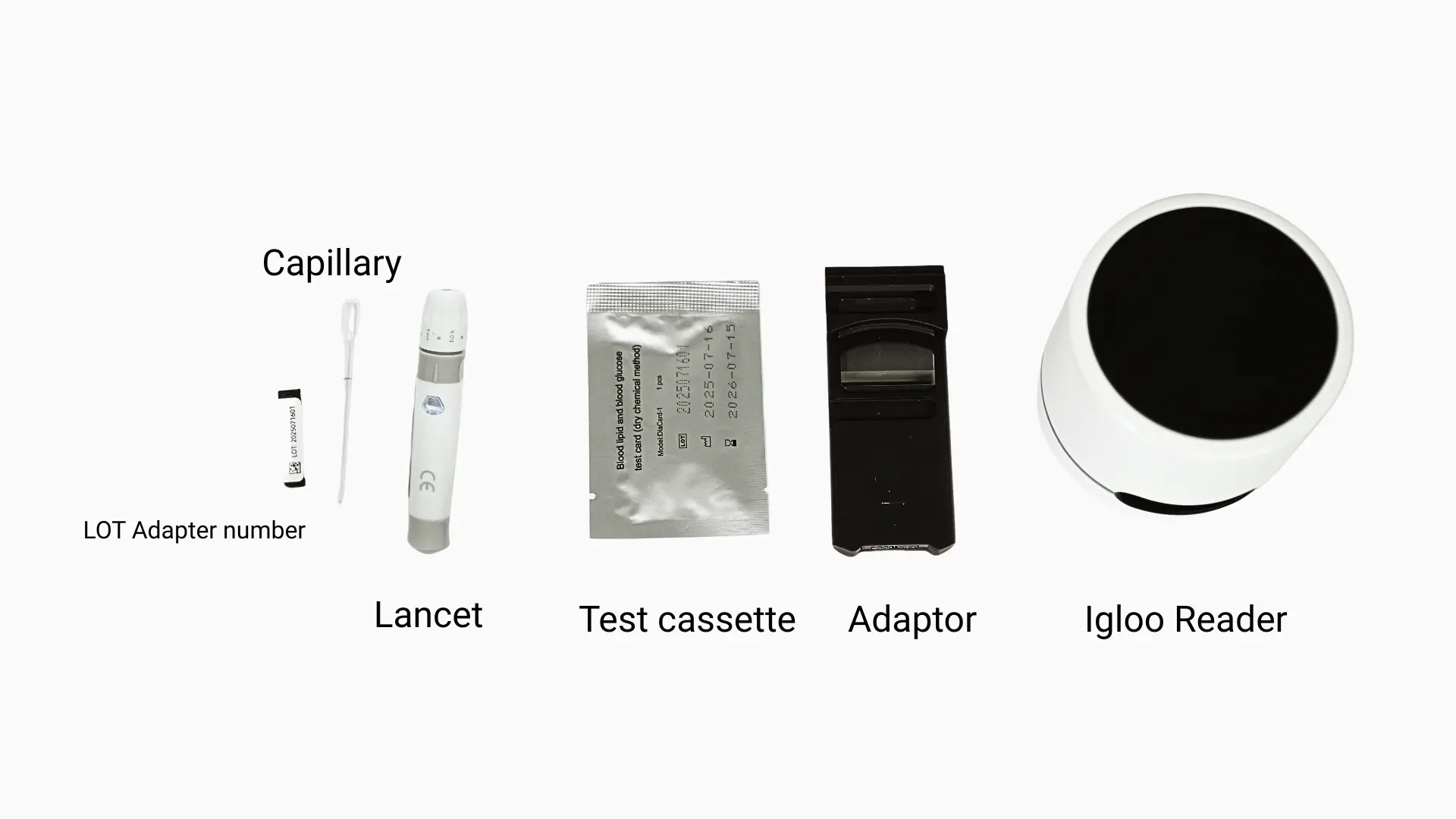
- 1x Lipid panel Test Cassette
- 1x Fixed-Volume Capillary Pipette
- 1x Sterile Lancet
- 1x LOT Adapter number
- 1x Igloo Reader
- 1x Konsung Adapter
- Desinfection wipe
Included in test box:
- 1x Lipid panelTest Cassette
- 1x Fixed-Volume Capillary Pipette
- LOT Adapter number
Additionally needed to perform test:
- 1x Sterile Lancet
- 1x Desinfection wipe
- 1x Igloo Reader
- 1x Adapter
Text instructions
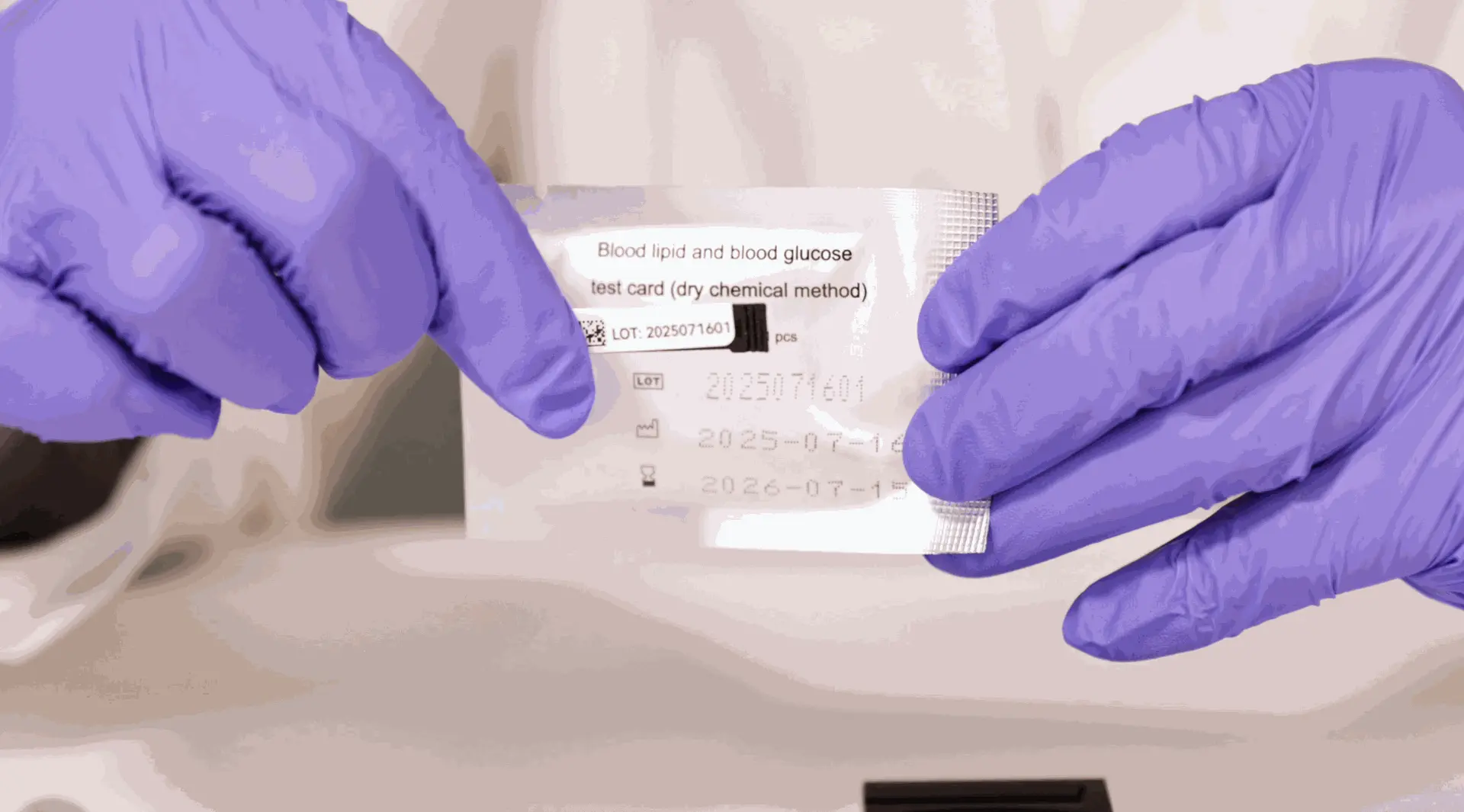
STEP 1: Match the LOT code
Check the LOT number on the packaging and cassette — they must match.
Open the foil pouch, remove the test cassette, and insert it into the adapter with the arrow facing forward.
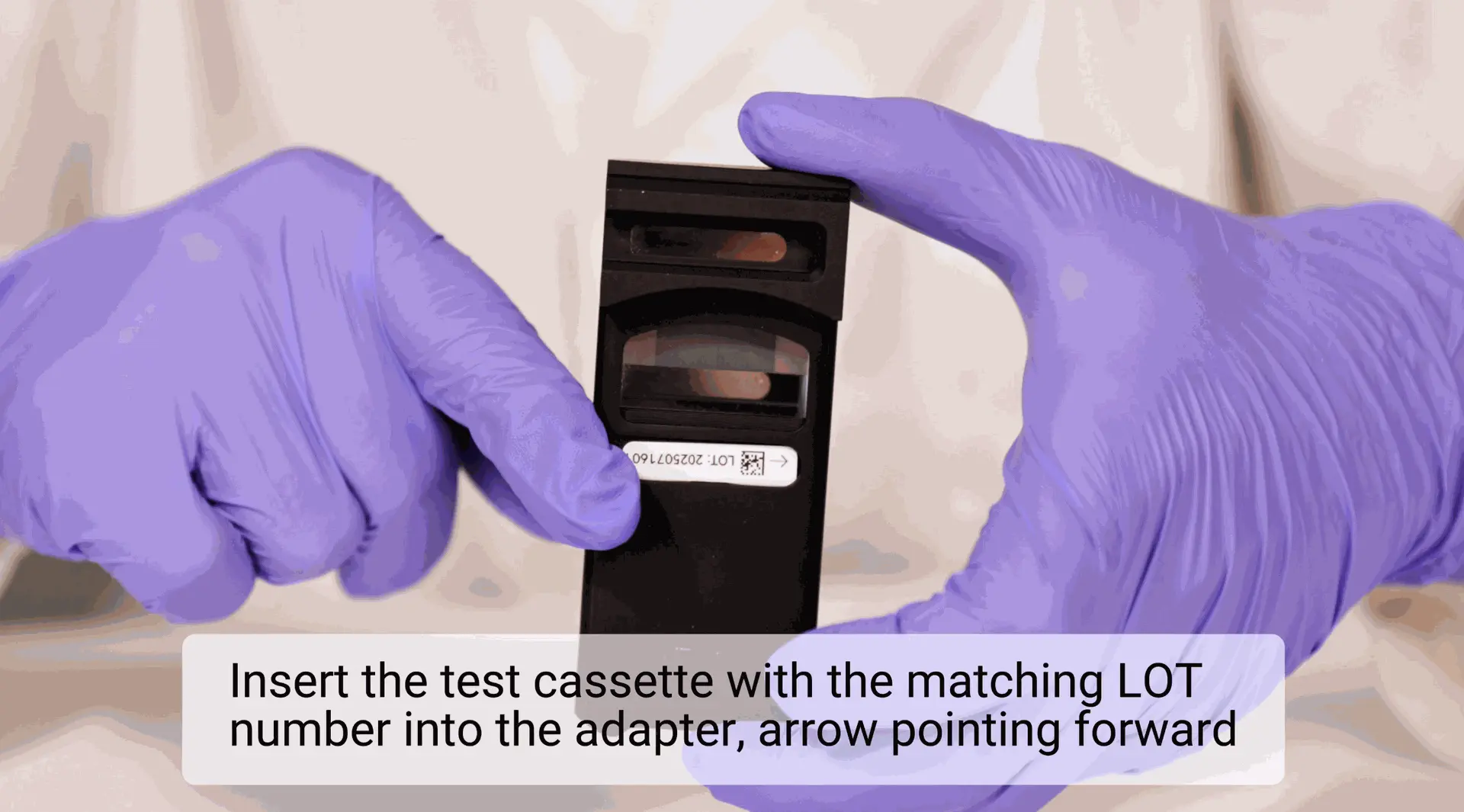
STEP 2: Insert LOT number into the Adapter
Place the LOT number adapter with the cassette into the Konsung Adapter, arrow pointing forward.
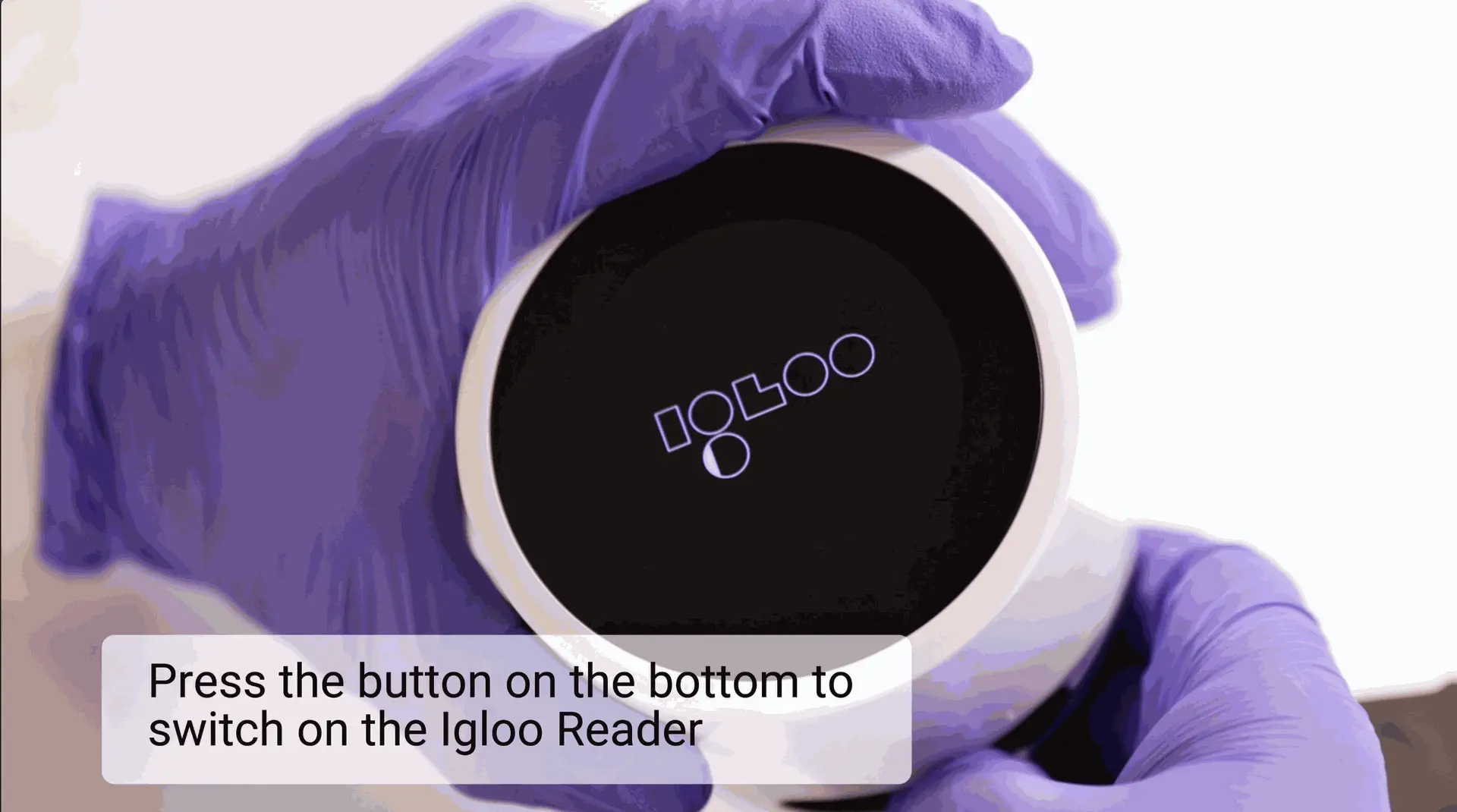
STEP 3: Switch on the Igloo Reader
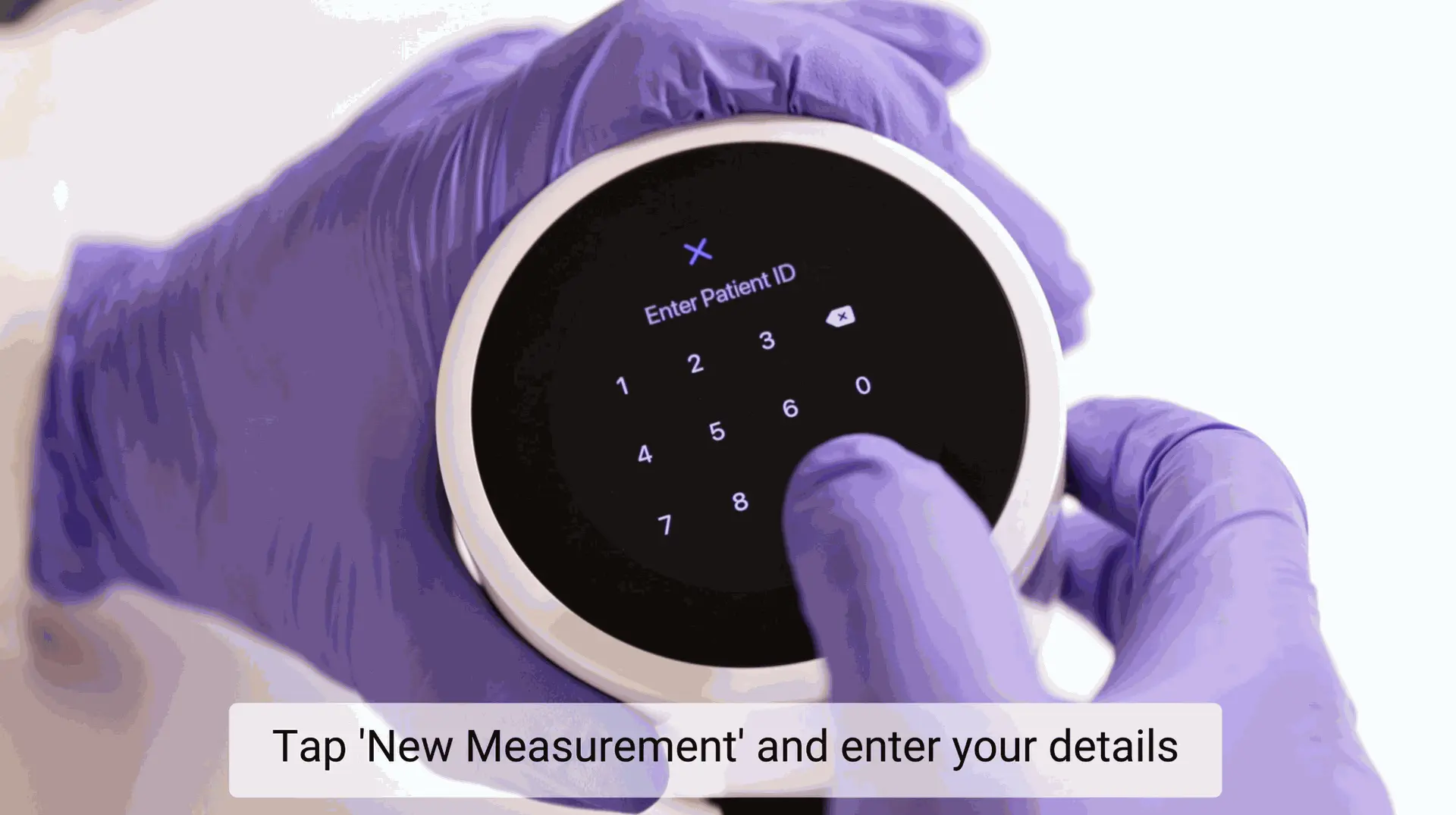
STEP 4: Enter the patient data
Press “New Measurement” and enter the required data to begin the test.
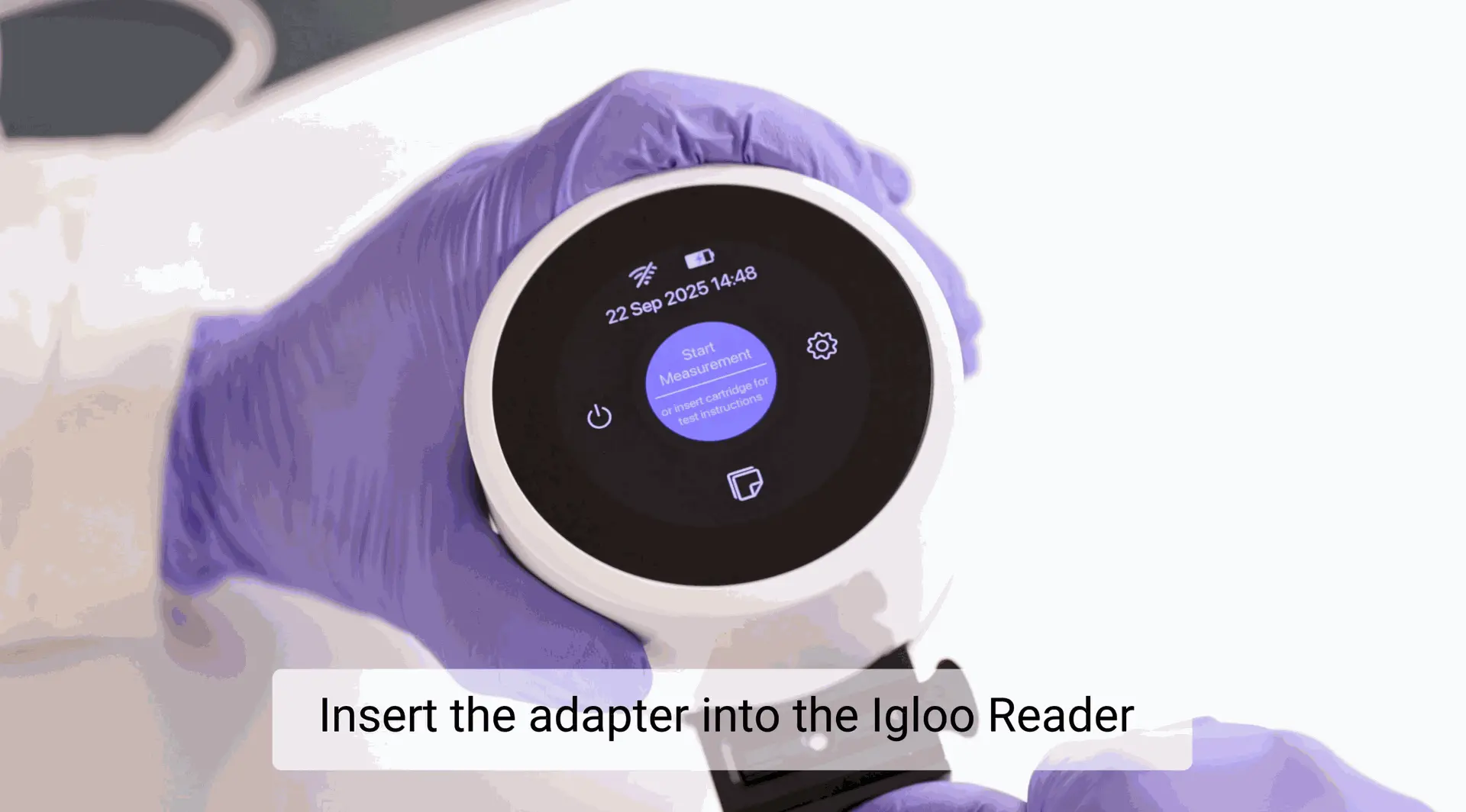
STEP 5: Insert the adapter
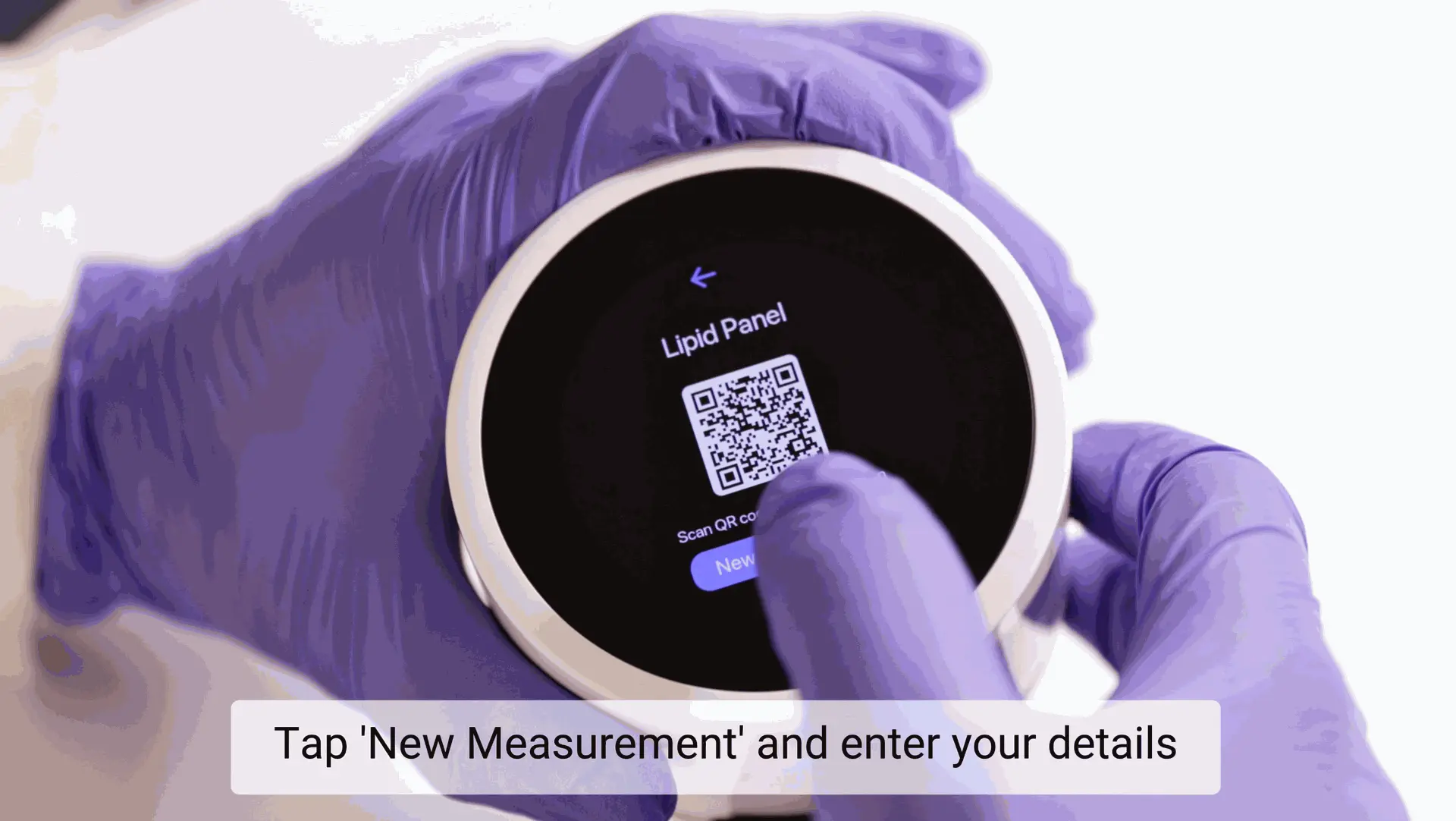
STEP 6: Start measurement
Once the QR code appears on the screen, press “New Measurement” again to begin the test.
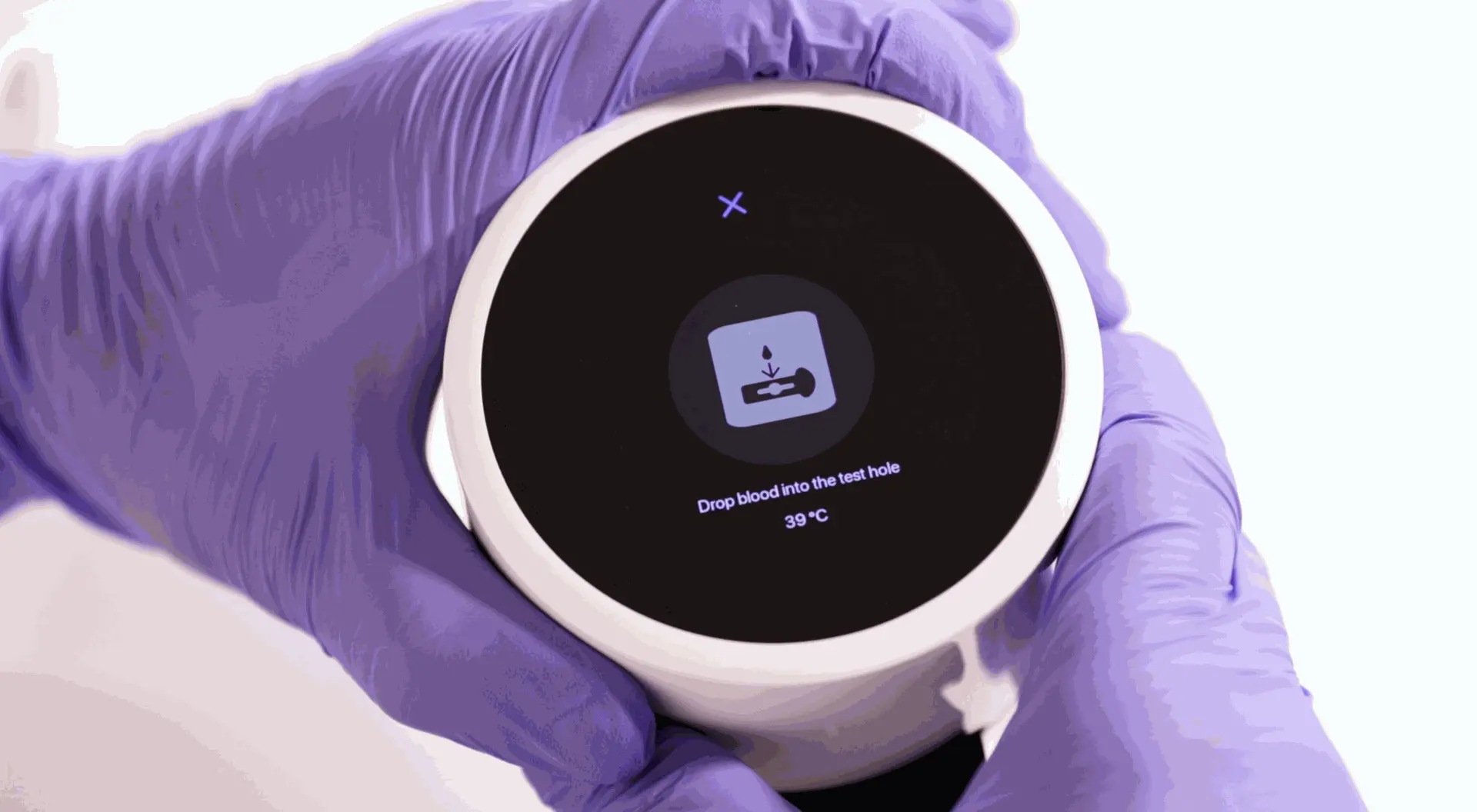
Step 7: Device ready for measurement
Your device is ready and will automatically start the test once the blood sample is added.
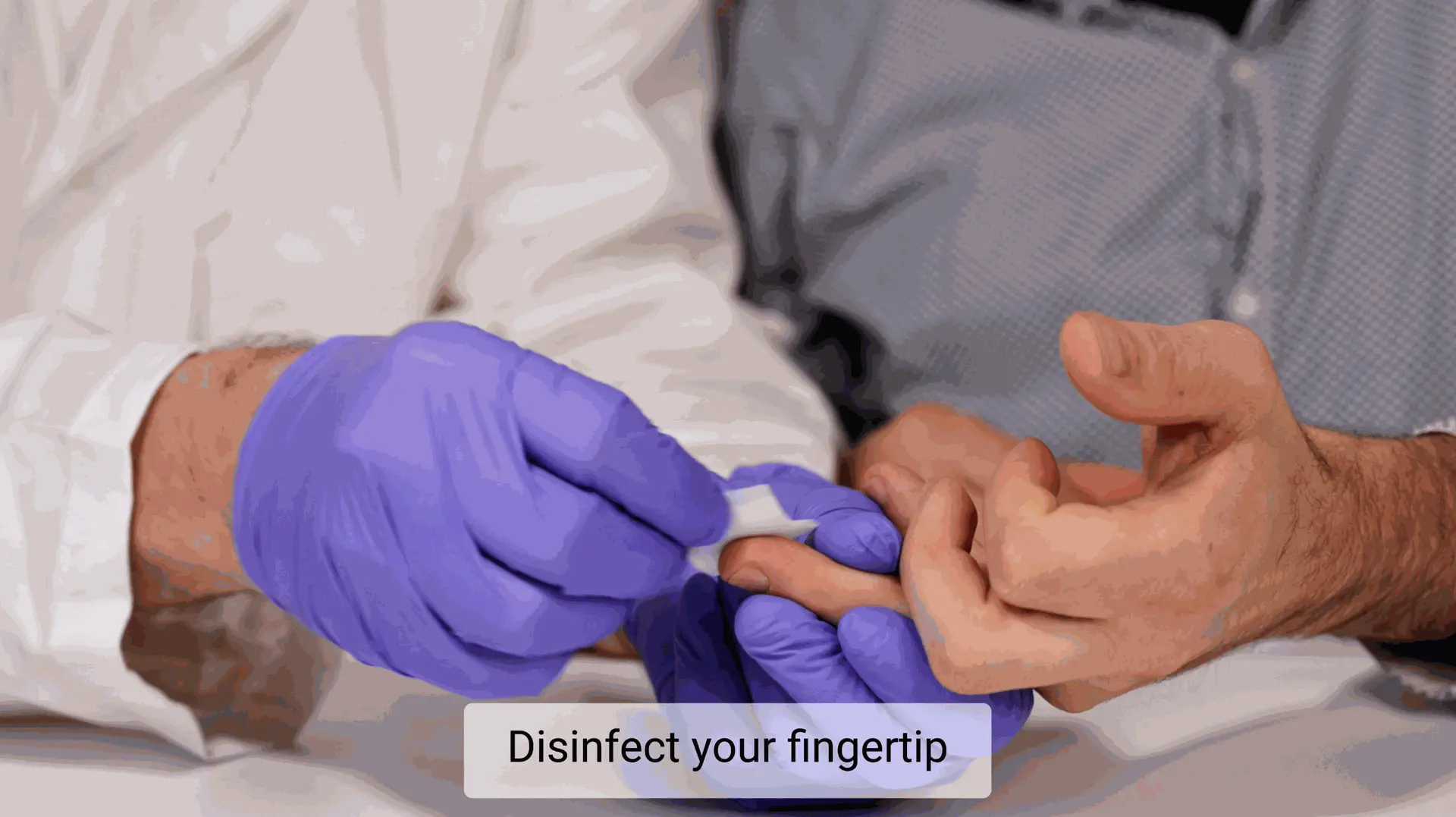
Step 8: Prepare and Disinfect the Sampling Area
Lay out all kit components. Disinfect the fingertip with the alcohol swab and let it dry.
Warm up your finger before sampling. To improve blood flow and make collection easier, gently warm your hand for a few minutes. You can use a warm cloth, soak in warm water, or rub your hands together.
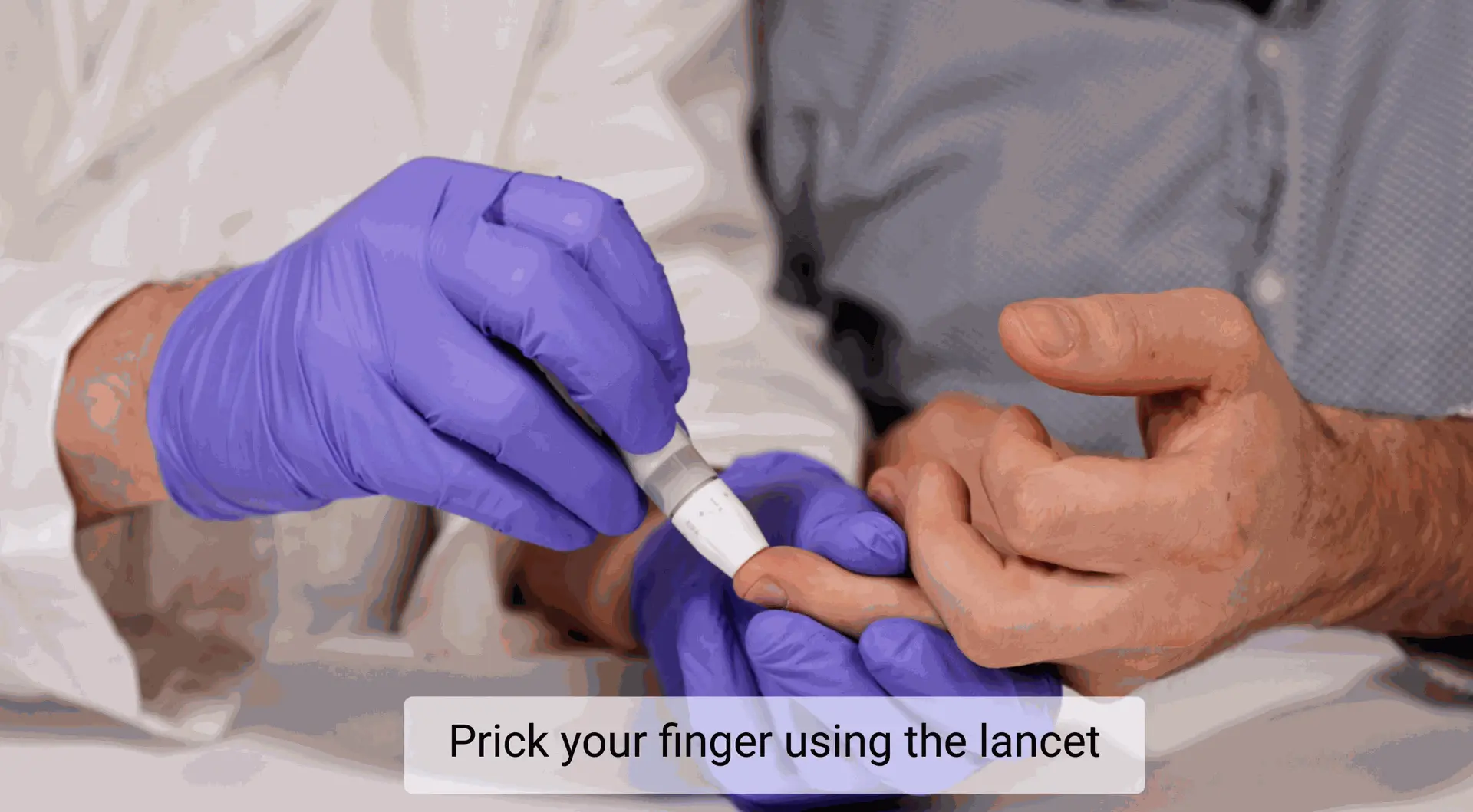
STEP 9: Perform a Fingerstick
Use the sterile lancet to puncture the side of the fingertip. Gently massage the finger to form a blood drop.
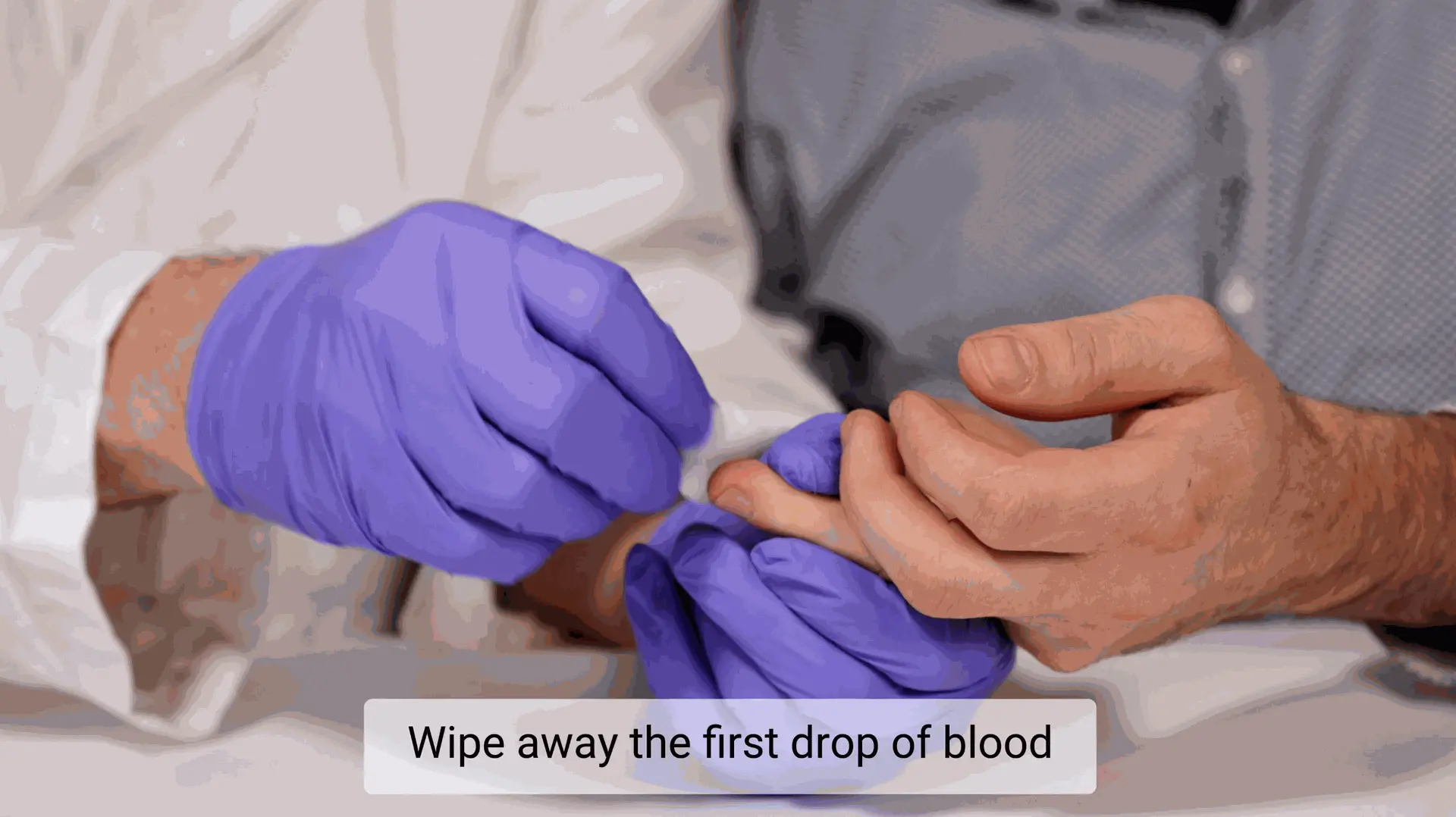
STEP 10: Remove the first droplet of blood
Wipe away the first drop of blood with a clean tissue or sterile gauze before collecting the sample. This ensures accuracy and prevents contamination.
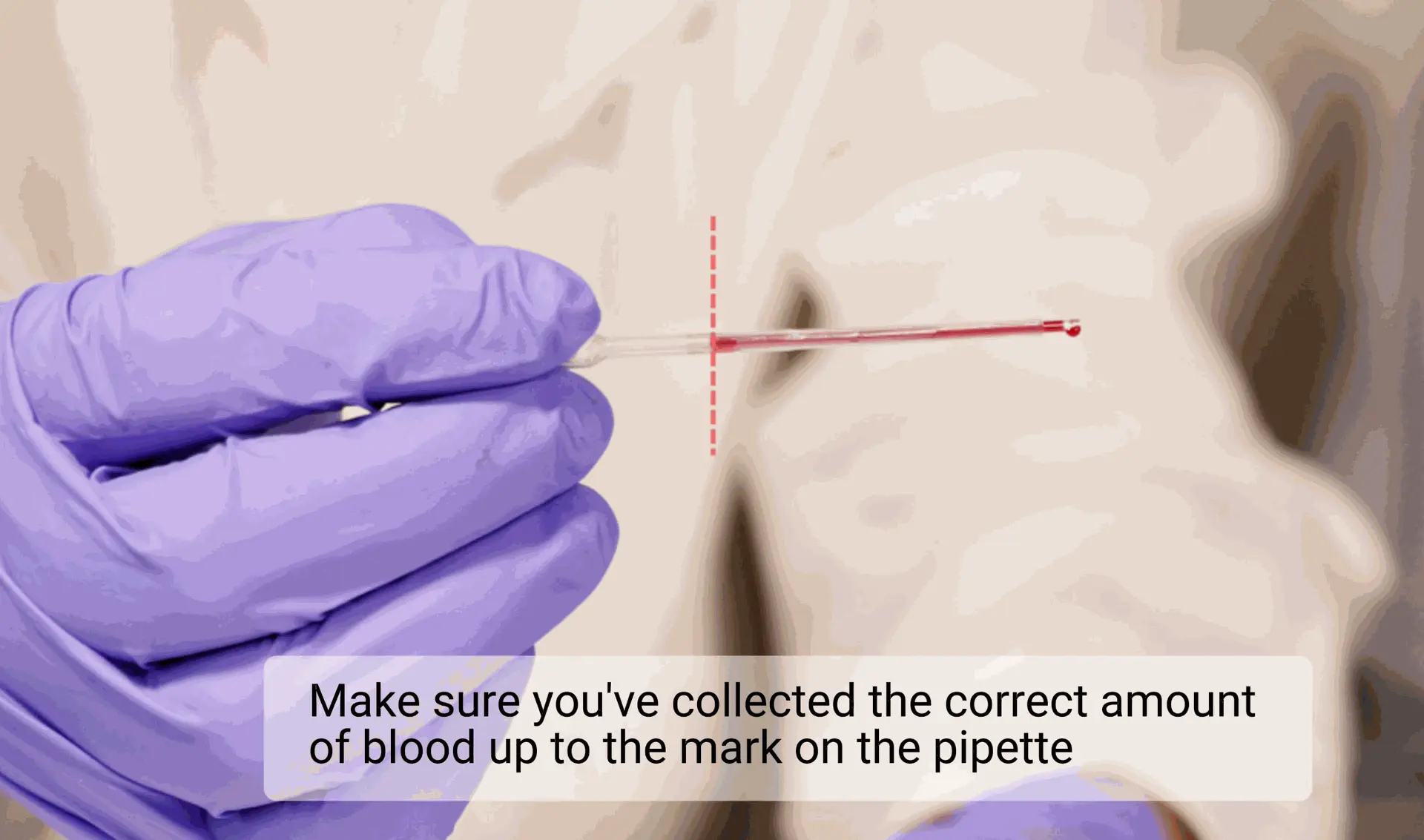
STEP 11: Collect exactly 45 µL of blood
Do not draw in any air bubbles.The pipette fills automatically — collect the blood up to the marked line.
Make sure you have collected exactly 45 µL of blood.
Important: During sample collection, the capillary must be held horizontally, parallel to the floor. This ensures accurate volumetric filling, prevents air bubbles, and maintains analytical accuracy. Tilting the capillary may cause the blood to flow backward or forward, leading to air inclusion or sample loss.
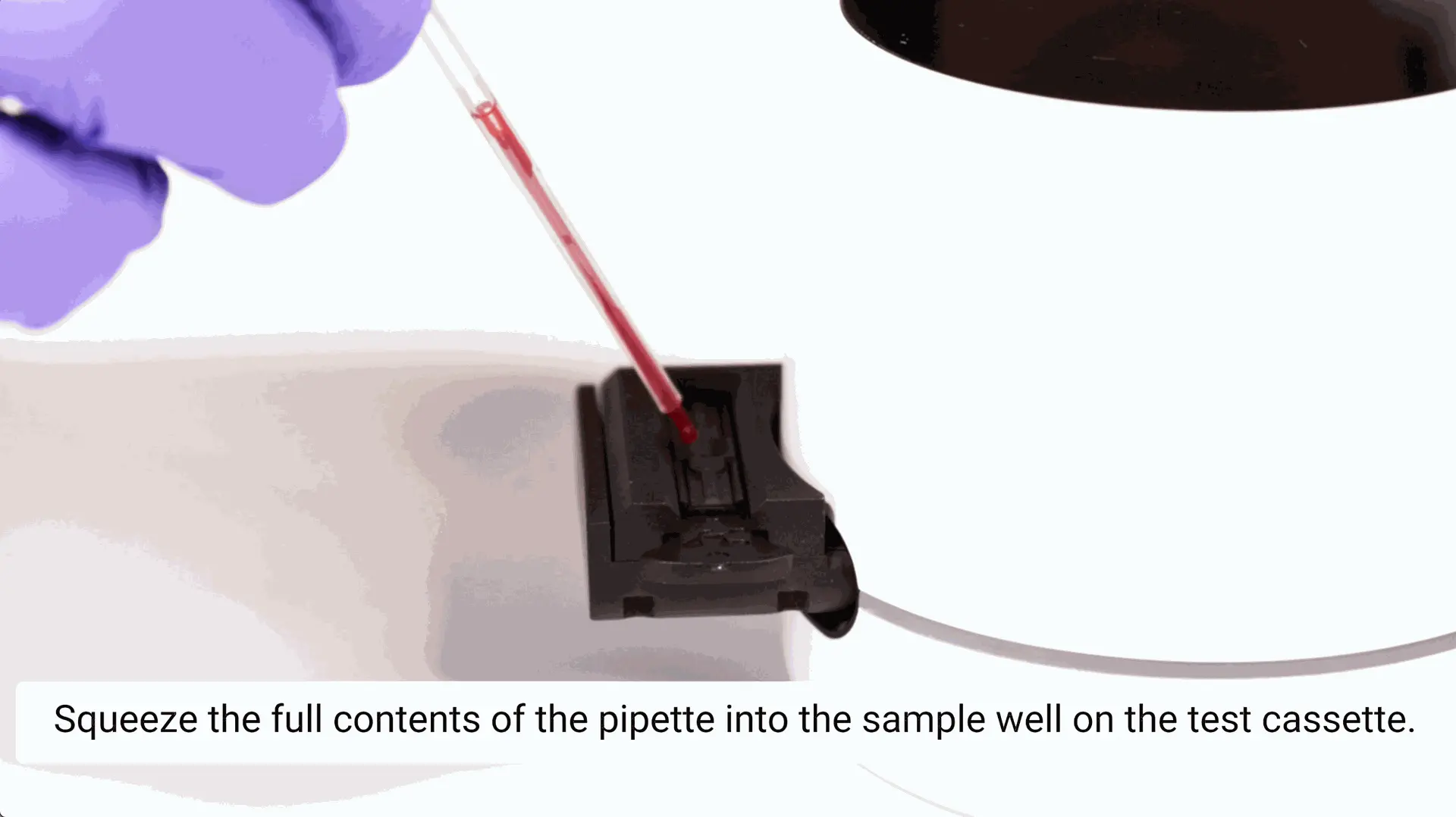
STEP 12: Squeeze the full contents of the pipette into the sample well on the test cassette
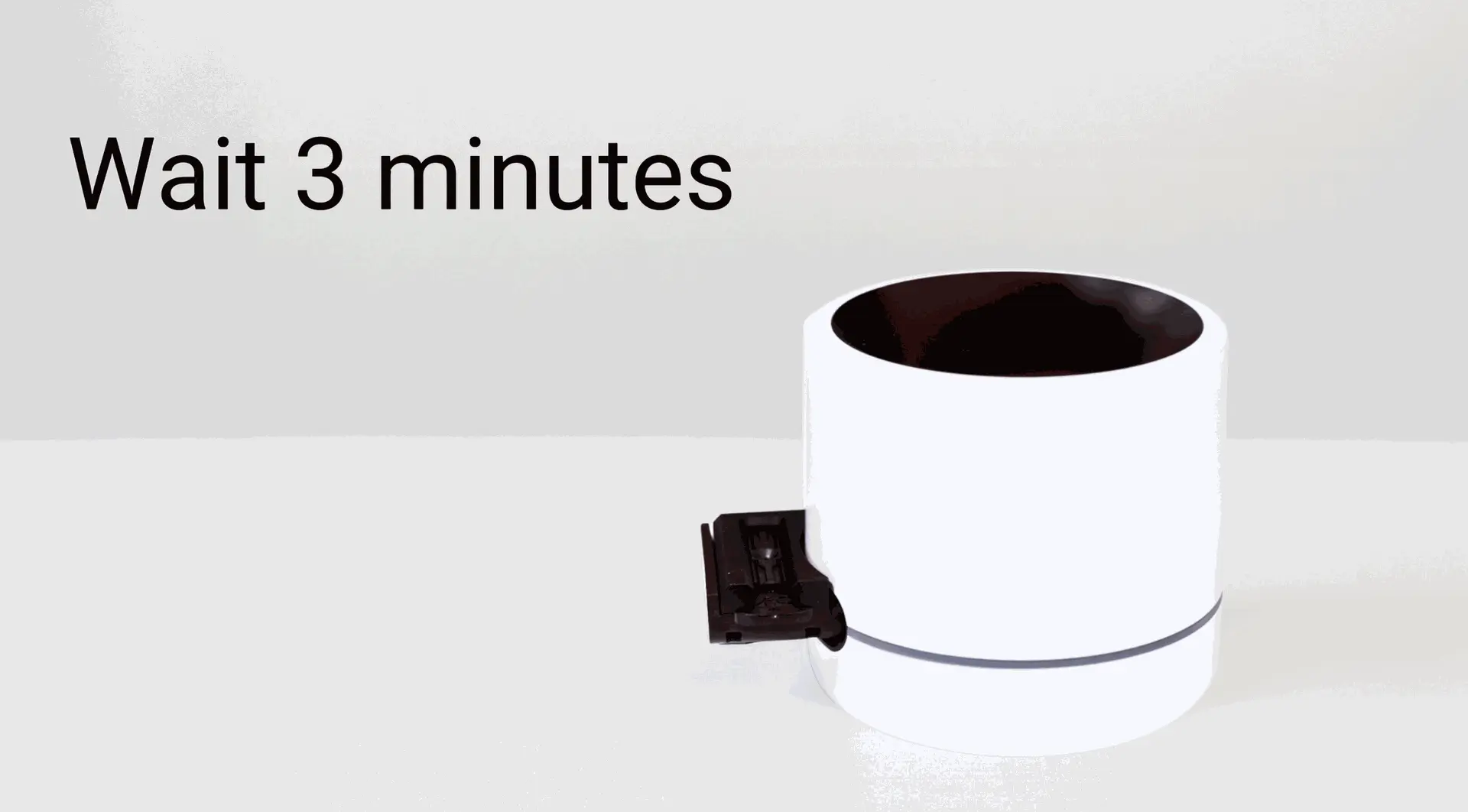
Wait 3 minutes
When the timer ends, your result will be displayed on the screen.
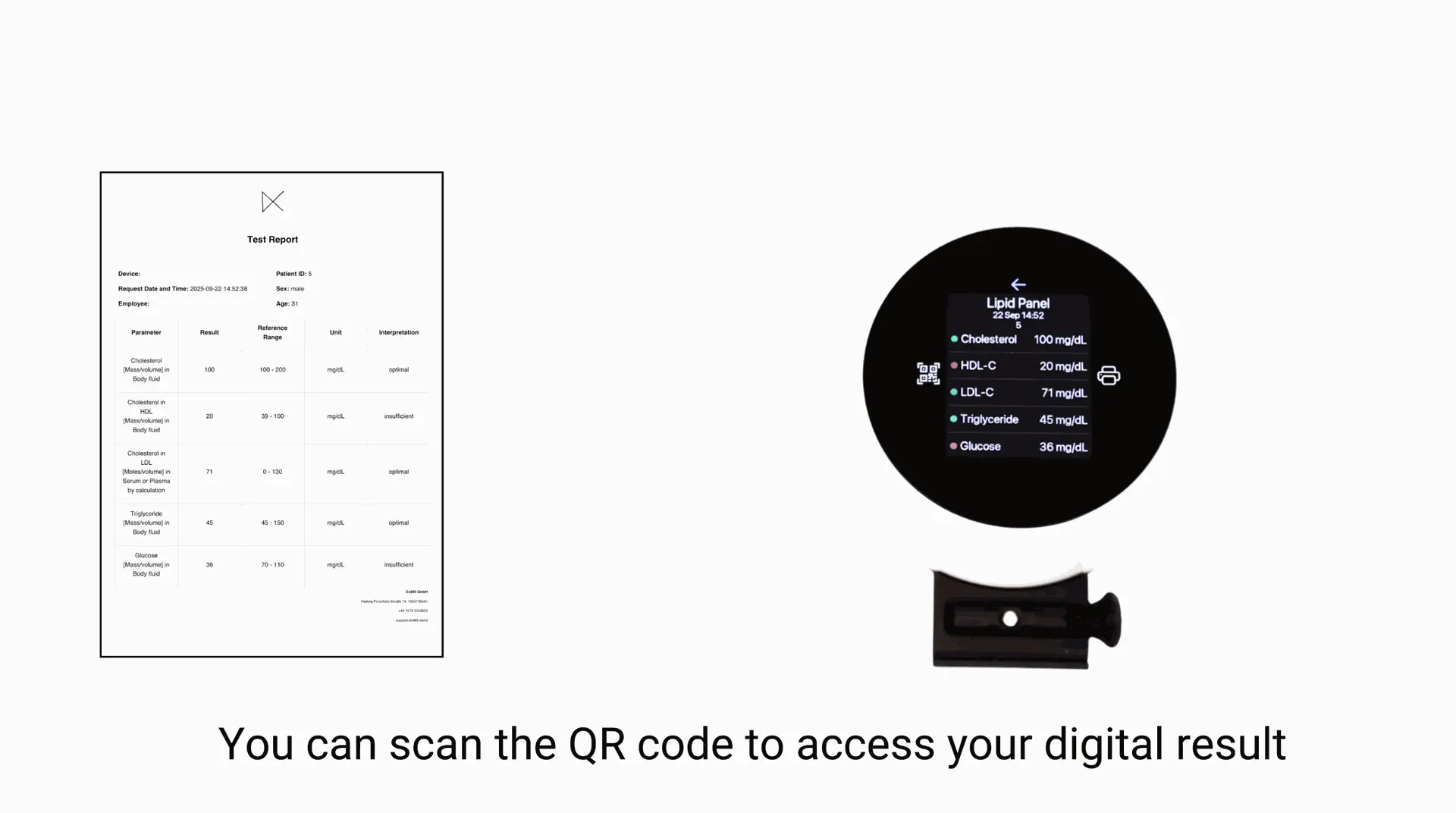
Scan QR for quick results on your phone in PDF form
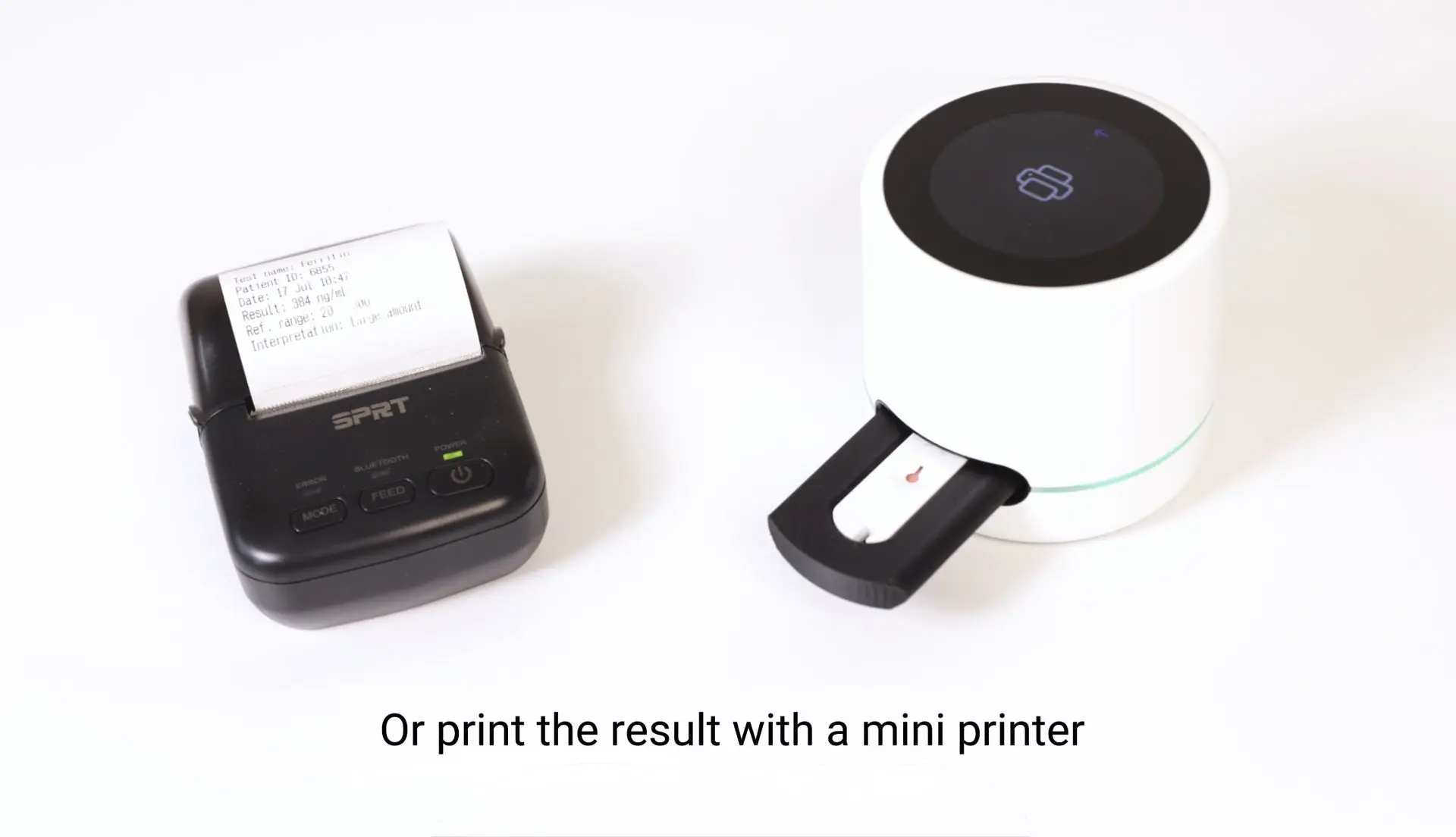
Or print the result with a mini printer
Results evaluation
Rapid Lipid panel and blood glucose tests may differ slightly from laboratory results - this is normal and does not mean the device is faulty. Use these ranges to explain results clearly to customers and guide next steps.
Total cholesterol
Result: <5.2 mmol/L
What it means: Healthy level of total cholestrol.
How to explain/action: Reassure customer; maintain healthy habits, routine monitoring.
Result: >5.2 mmol/L
What it means: Borderline high or higher than normal total cholesterol level.
How to explain/action: Recommend consulting healthcare provider to discuss potential interventions.
HDL cholesterol
Result: >1.0mmol/L*
What it means: Healthy level of HDL cholesterol.
How to explain/action: Reassure customer; maintain healthy habits, routine monitoring.
Result: <1.0mmol/L
What it means: Borderline low or lower than normal level of HDL cholesterol.
How to explain/action: Recommend consulting healthcare provider to discuss potential interventions.
Triglycerides
Result: <1.7 mmol/L*
What it means: Healthy level of triglycerides.
How to explain/action: Reassure customer; maintain healthy habits, routine monitoring.
Result: >1.7 mmol/L
What it means: Borderline high or higher than normal triglycerides level.
How to explain/action: Recommend consulting healthcare provider to discuss potential interventions.
Blood glucose
Result: <3.9 mmol/L
What it means: Low blood glucose level (hypoglycemia).
How to explain/action: Hypoglycemia in customers with diabetes needs immediate medical attention. Recommend consulting healthcare provider to discuss potential interventions.
Result: 3.9 - 6.1 mmol/L*
What it means: Healthy blood glucose level.
How to explain/action: Reassure customer; maintain healthy habits, routine monitoring.
Result: >6.1 mmol/L
What it means: High blood glucose level (hyperglycemia).
How to explain/action: Hyperglycemia may indicate diabetes, and people with diabetes can experience hyperglycemia episodes frequently. Recommend consulting healthcare provider to discuss potential interventions.
*Reference intervals
The reference intervals shown here are taken from the Instructions for Use (IFU) for Lipid panel by Konsung and applies specifically to this test kit. Always check the IFU of the test you are using, as reference intervals can differ between manufacturers.
Anyone looking for a personal interpretation of their result should talk to a healthcare professional, since the right context depends on why the test was performed or recommended, age, health status, and individual circumstances.
Blood Glucose & HbA1c: Results look different
Blood glucose and HbA1c measure different aspects of glycaemia:
- Blood glucose reflects the glucose level at a specific moment
- HbA1c reflects the average glucose exposure over the previous ~8-12 weeks
Because they measure different timeframes and are influenced by different biological factors, results may sometimes not match. This is common and does not automatically indicate an error or disease change.
Scenario 1: High blood glucose but low HbA1c
Possible explanation:This pattern may occur when recent glucose levels have increased but the longer-term average is still lower, or when HbA1c is affected by factors that reduce its value.
Examples include:
- recent change in diet, illness, stress, or medication
- short-term hyperglycaemia not yet reflected in HbA1c
- conditions shortening red blood cell lifespan (e.g. some anaemias)
- chronic kidney disease or certain medications affecting HbA1c reliability
What pharmacists can advise customers:
- repeat glucose monitoring as recommended
- review recent lifestyle or medication changes
- discuss results with their general practicioner or diabetes team
- consider follow-up testing if mismatch persists
Scenario 2: Low blood glucose but high HbA1c
Possible explanation:This pattern may occur when current glucose is improved but previous levels were higher, or when HbA1c is influenced by factors that increase its value independently of glucose.
Examples include:
- recent improvement in glucose control
- iron deficiency anaemia
- haemoglobin variants (genetic differences in the structure of haemoglobin)
- longer red blood cell lifespan
- biological differences between individuals in haemoglobin glycation
What pharmacists can advise customers:
- continue regular monitoring
- avoid interpreting a single reading alone
- discuss possible causes with their healthcare professional
- follow recommended repeat laboratory testing if advised
Read more about the Lipid panel and blood glucose test, HbA1c, and about results evaluation.
Best practices for the lipid panel and blood sugar testing
Fasting: For the most accurate triglyceride and blood glucose results, customers should ideally fast for 8-12 hours before testing (water is permitted). Total cholesterol and HDL cholesterol are less affected by food intake but fasting is still recommended for a full panel.
Timing: Morning testing is generally preferred due to the fasting required.
Medications: Lipid-lowering therapies (such as statins or fibrates) and antidiabetic medications will affect results. This context should always be noted when interpreting values.
Lifestyle context: Recent changes in diet, physical activity, alcohol intake, illness, or acute stress can temporarily influence lipid and glucose values.
Repeat testing: A single lipid panel result is informative, but trends over time are more clinically meaningful.
Customers with borderline values benefit from repeat testing and regular monitoring.
Disposal instructions
- Dispose of used cassettes, pipettes, and lancets as biohazardous waste.
- Do not reuse any test components.
- Reader and adapter are reusable; clean according to the official maintenance guide.
Literature
- Joint committee for guideline revision of Chinese Adult Dyslipidemia Prevention. Chinese guidelines for the management of dyslipidemia in adults (2016 Revised Edition). Chinese Circulation Journal, 2016, 31: 937-953.
- Friedewald et al. Clin Chem. 1972, 18(6):499-502.
- National Heart, Lung, and Blood Institute, Blood Cholesterol, What is Blood Cholesterol?
- National Library of Medicine, HDL: The "Good" Cholesterol, also called: High-density lipoprotein
- NHS, Cholesterol levels
- National Heart, Lung, and Blood Institute, High Blood Triglycerides
- Mayo clinic, Triglycerides: Why do they matter?
- National Library of Medicine, Blood Glucose, also called: Blood sugar
- British Heart Foundation, Blood sugar levels: what is normal?
- Mayo clinic, Hypoglycemia
- Cleavland clinic, Hyperglycemia: high blood sugar
- NIH, National Library of Medicine - Hemoglobin A1C.
Disclaimer
This information is educational and does not qualify for a medical advice. Always use local reference ranges and consult a healthcare professional for diagnosis and treatment.